
Engaged in the import, export, and sale of metals, lead solder, and solder wire.
Engaged in the import, export, and sale of metals, lead solder, and solder wire.
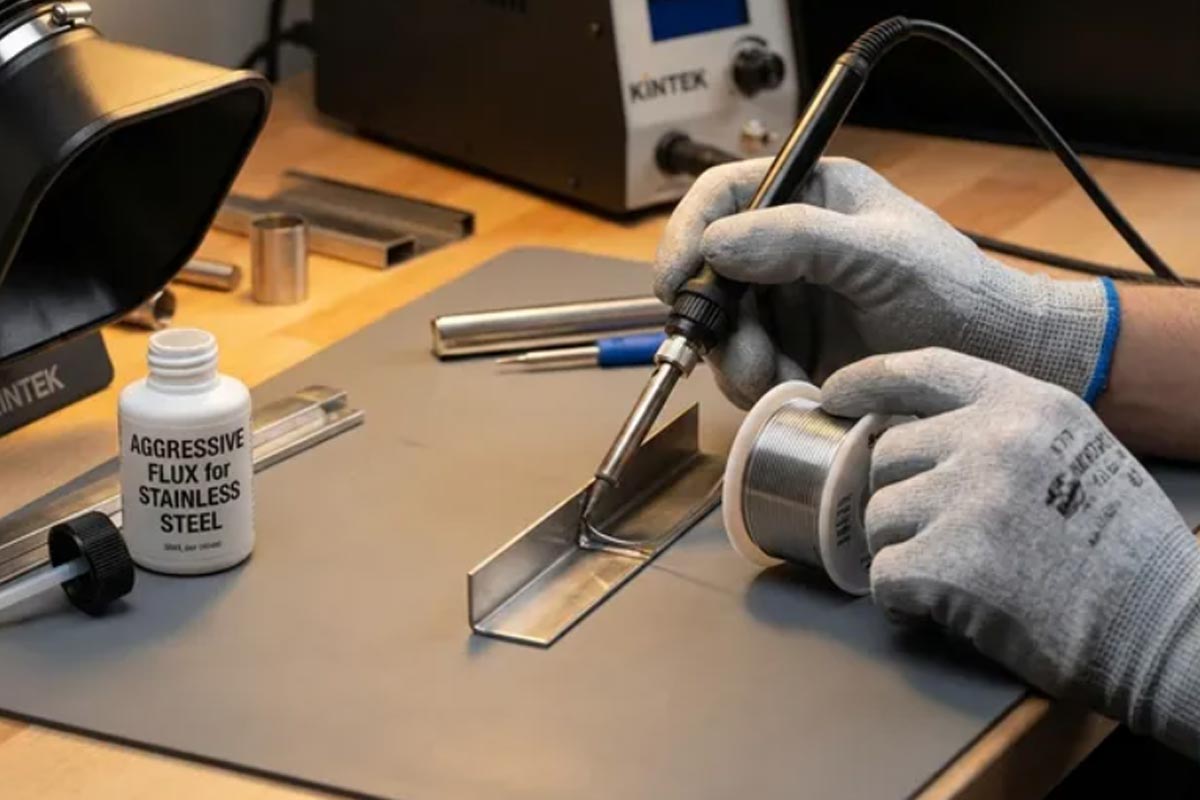
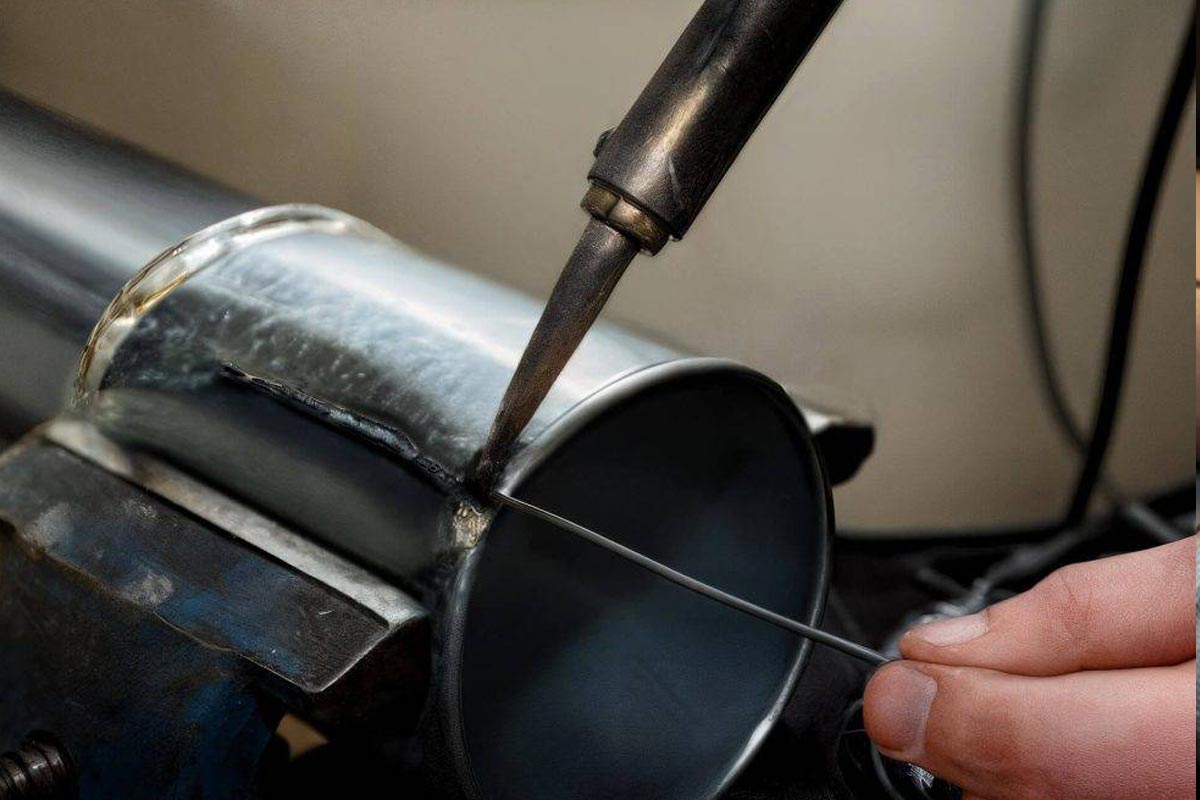
Soldering stainless steel requires using specialized, aggressive acidic flux (like stay-clean) and high-strength filler metals, as the material’s chromium oxide layer inhibits bonding. Essential precautions include ensuring high-temperature heat sources (torch or heavy-duty iron), thorough pre-cleaning to remove contaminants, ensuring excellent ventilation to avoid fumes, wearing protective gear, and thoroughly cleaning off corrosive flux residue post-soldering.
Safety & PPE: Always work in a well-ventilated area, preferably with a fume extractor, as the strong, corrosive fluxes needed for stainless steel produce harmful fumes. Wear safety goggles, gloves, and protective clothing to avoid skin contact and burns.
Surface Preparation: Thoroughly clean the stainless steel to remove grease, oil, and dirt using a solvent like acetone or alcohol. Remove oxidation using a wire brush or emery cloth to allow the solder to bond.
Correct Flux and Solder: Use a flux specifically designed for stainless steel, such as a strong, acidic, or phosphoric acid-based flux. Use a high-strength solder, such as tin-silver or similar, which is suitable for stainless steel.
Heat Application: Stainless steel requires high temperatures; ensure your soldering iron or torch is powerful enough. Avoid overheating, which can burn off the flux and cause oxidation, resulting in a black surface.
Post-Soldering Cleanup: Immediately clean the joint with soap and water or a specialized neutralizing solution to remove corrosive flux residue, which can cause rusting over time.
Technique: Clamp the pieces tightly for better heat distribution. For thick materials, preheating the stainless steel can aid in achieving a better bond
Wassana
Is it more expensive than regular lead?