Engaged in the import, export, and sale of metals, lead solder , and solder wire.

Office Hours: 08:00-17:00

Mail Us For Support

kanokwan@askmthailand.co.th

Call us (Mon-Fri)

(+66) 093-225-8797

Office Address

Bang Phli, Samut Prakan

What is solder? Let us introduce you to it.

105 Views0 Comments

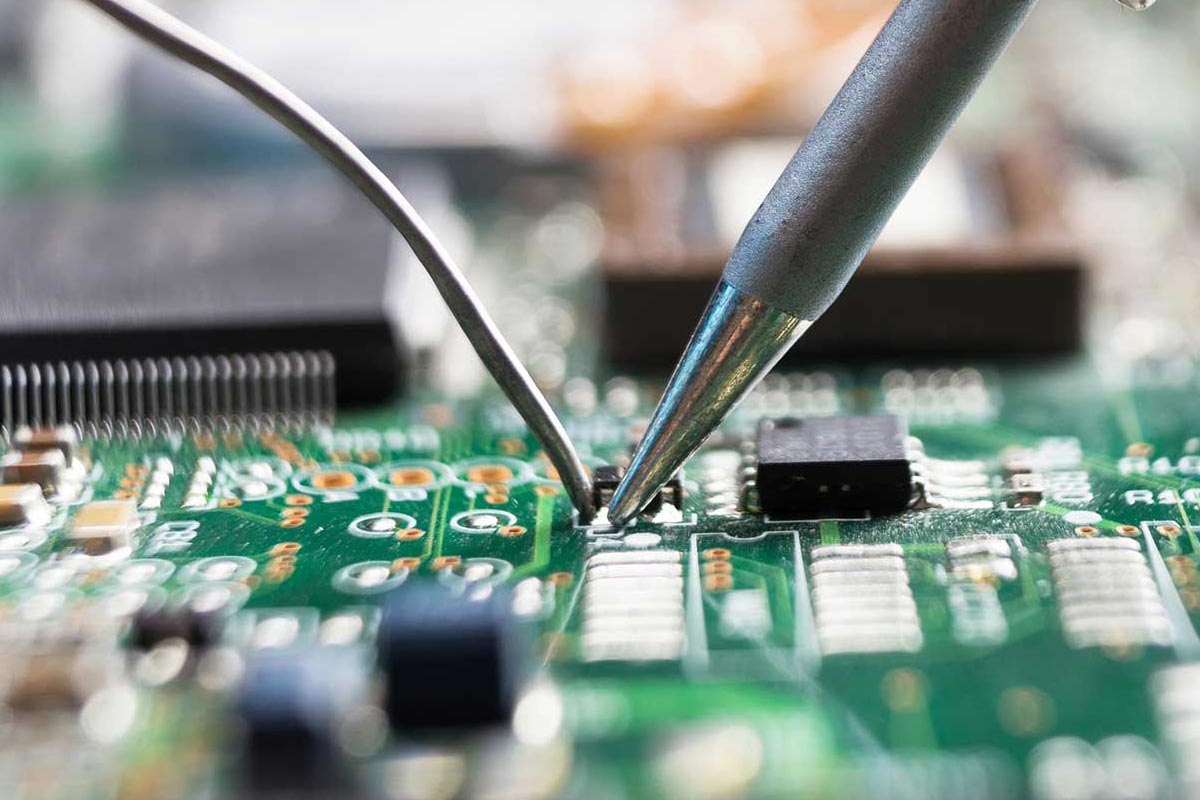
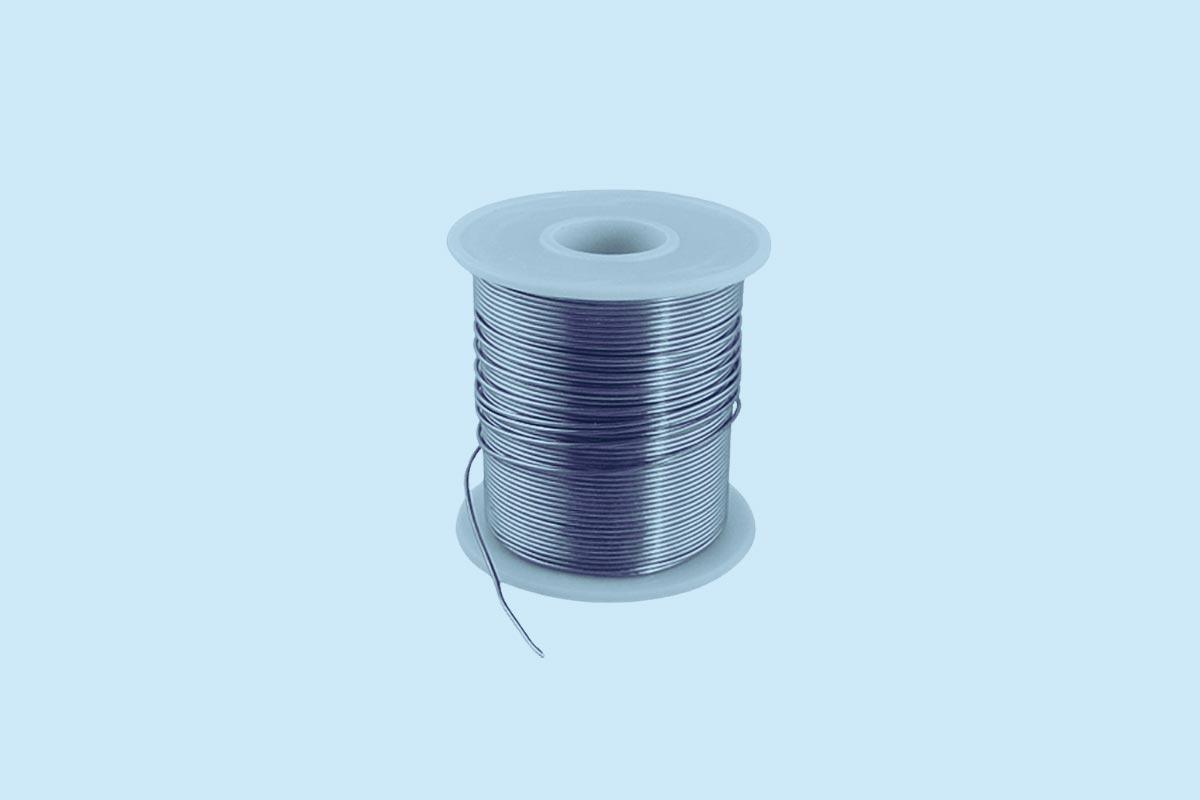
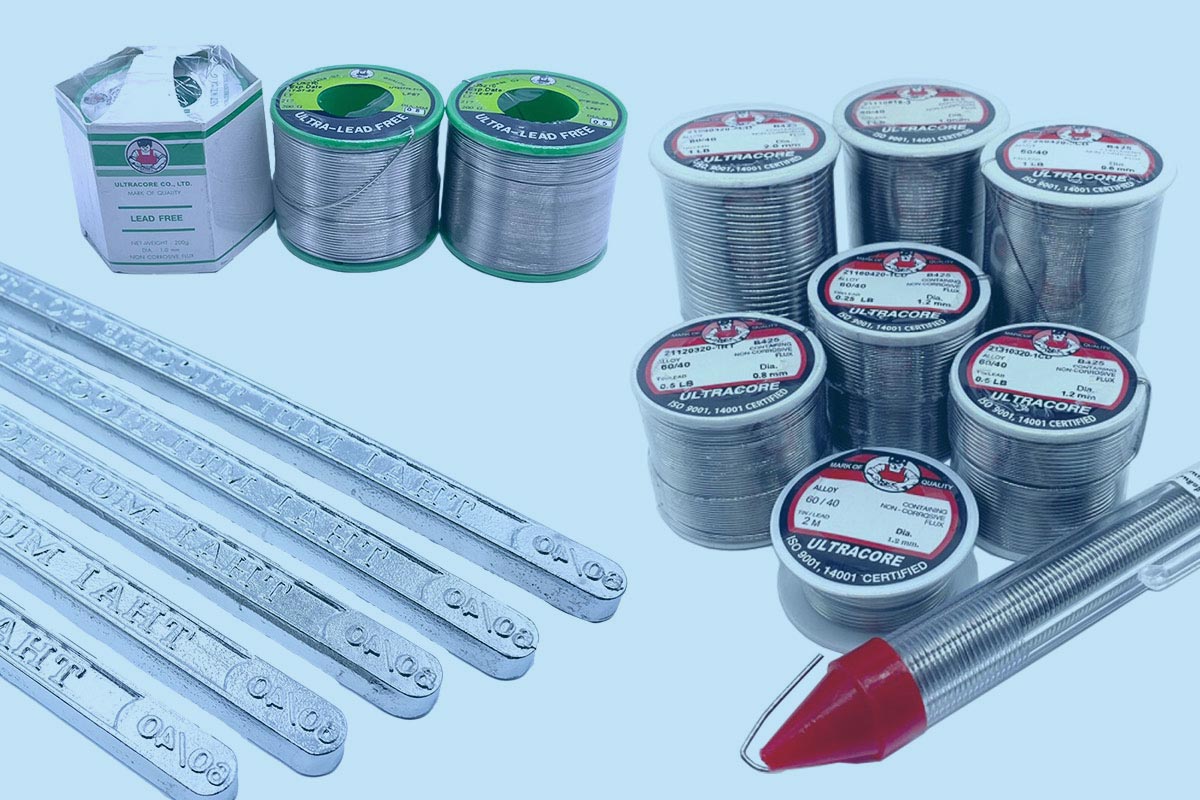
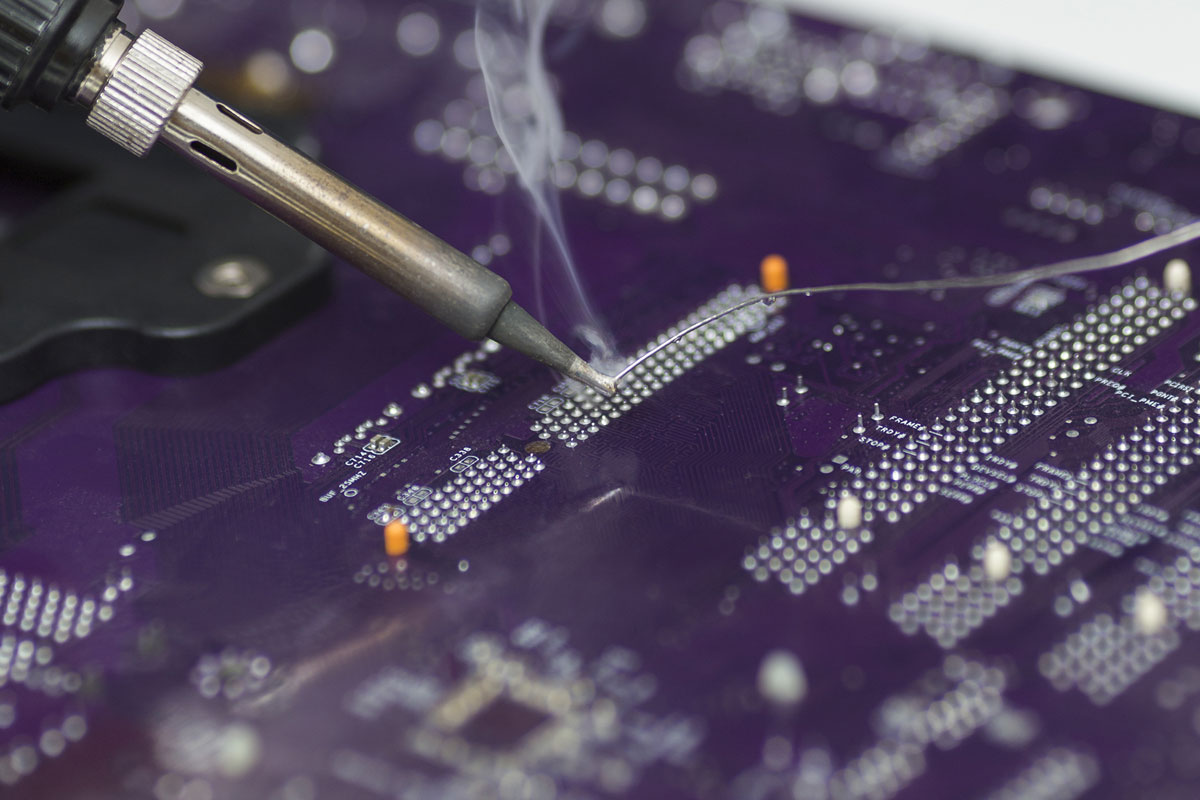
Solder wire is a fusible metal alloy designed to melt at low temperatures to create permanent, conductive bonds between metal surfaces. It is most commonly used in hand soldering and electronic repairs to connect components on printed circuit boards (PCBs) or join electrical wires. 

Core Composition and Types

Solder wire is primarily classified by the metals it contains and whether it includes an integrated cleaning agent called flux

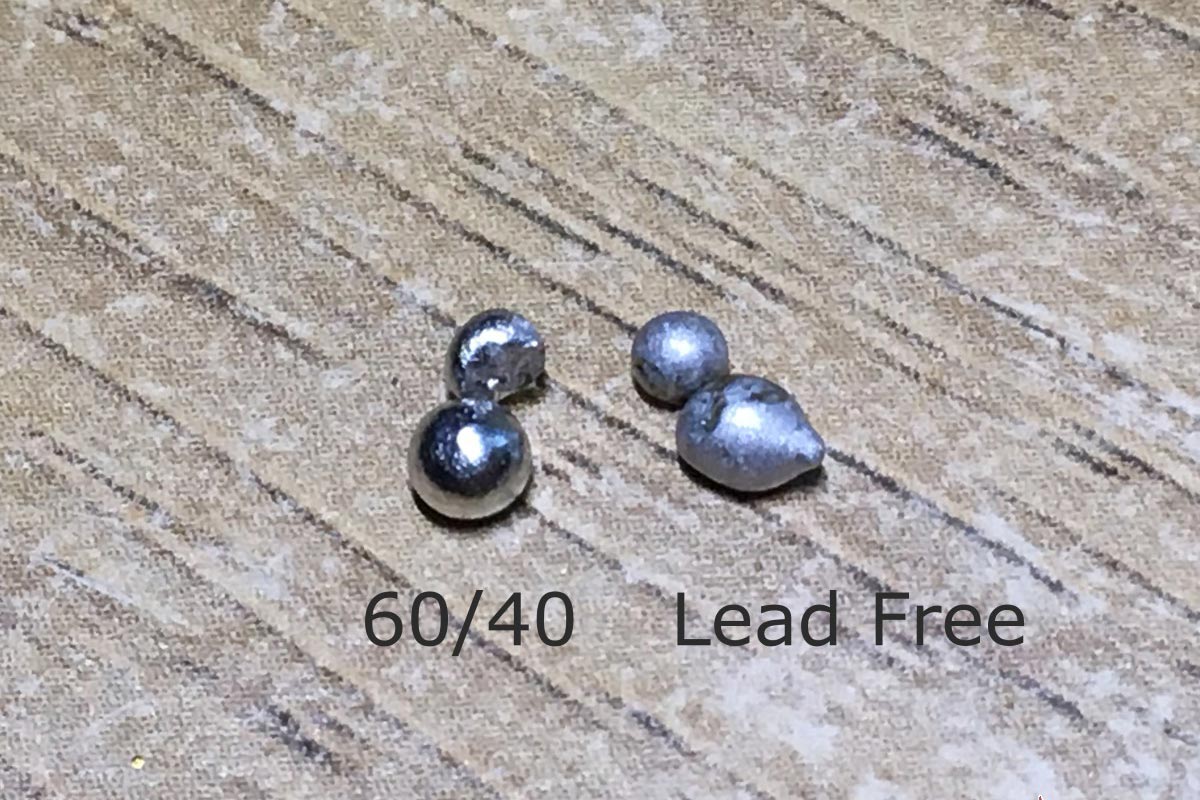
  • Lead-Based Solder: Traditionally a mix of tin (Sn) and lead (Pb), such as the popular 60/40 (60% tin, 40% lead) or 63/37 eutectic ratios. These are favored for their low melting points (around 183°C) and excellent flow (“wetting”) properties.
  • Lead-Free Solder: Developed for environmental and health compliance, these typically use alloys of tin, silver, and copper (e.g., SAC305). They generally have higher melting points (around 217°C) and require higher soldering temperatures.
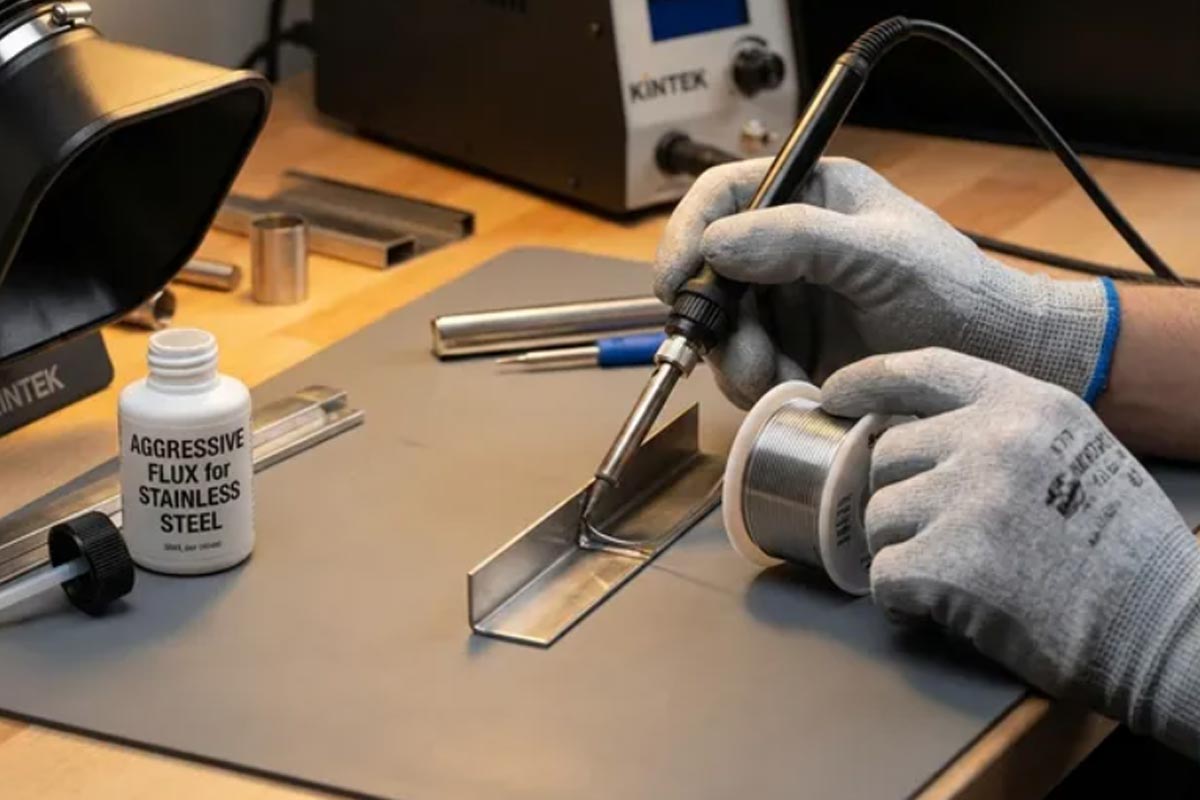
  • Flux-Core Solder: Most modern solder wires have a hollow center filled with flux. As the wire melts, the flux is released to remove oxidation from metal surfaces, ensuring a clean and strong bond without needing to apply flux separately.
    • Rosin Core: Common in electronics because it is non-corrosive.
    • Acid Core: Used for plumbing and heavy metalwork; its residues are corrosive and must not be used on electronics

Key Characteristics

When selecting solder wire, technicians consider several technical specifications to match the task: 

  • Diameter: Wires range from ultra-fine (0.25 mm) for delicate surface-mount components to heavy gauges (over 1.5 mm) for large electrical connections or plumbing.
  • Melting Point: The temperature at which the alloy transitions to liquid; lower points are safer for heat-sensitive electronic parts.
  • Eutectic Properties: Eutectic alloys (like 63/37) transition instantly between solid and liquid, which helps prevent “cold joints” if a component moves slightly while cooling. 

Common Applications

Jewelry and Hobby: Crafting intricate designs with silver or gold alloys and creating stained glass art.

Electronics: Assembling PCBs, repairing consumer electronics like smartphones, and joining wire harnesses.

Plumbing: Joining copper pipes and fittings (typically using lead-free, non-flux-core varieties with separate flux).
Comments are closed