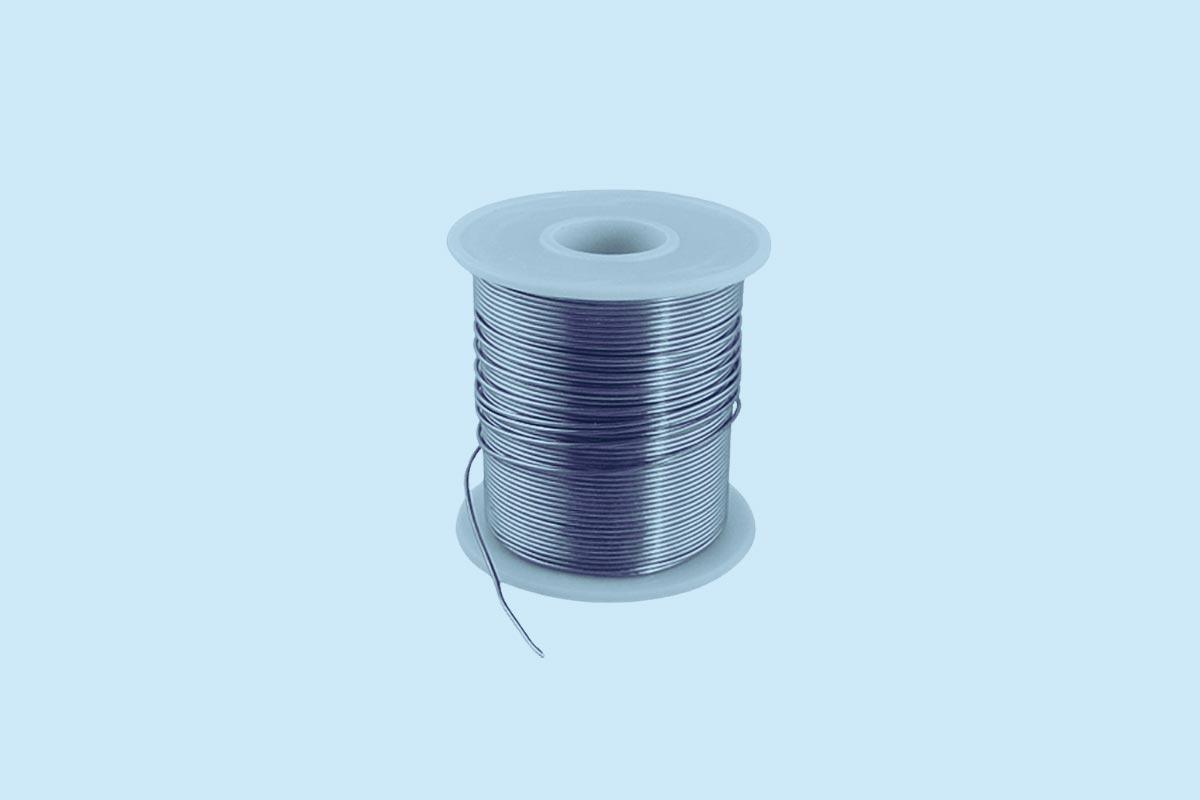
Engaged in the import, export, and sale of metals, lead solder , and solder wire.

Office Hours: 08:00-17:00

Mail Us For Support

kanokwan@askmthailand.co.th

Call us (Mon-Fri)

(+66) 093-225-8797

Office Address

Bang Phli, Samut Prakan

How to solder wire manufacturing process

78 Views0 Comments

The manufacturing process for solder wire transforms raw metal alloys into the precise, flux-filled wires used in electronics and industry. It is a multi-stage industrial process involving metallurgical mixing, extrusion, and cold drawing. 

1. Alloying and Melting

The process begins by melting high-purity metals (typically tin and lead, or silver and copper for lead-free versions) in a furnace. 

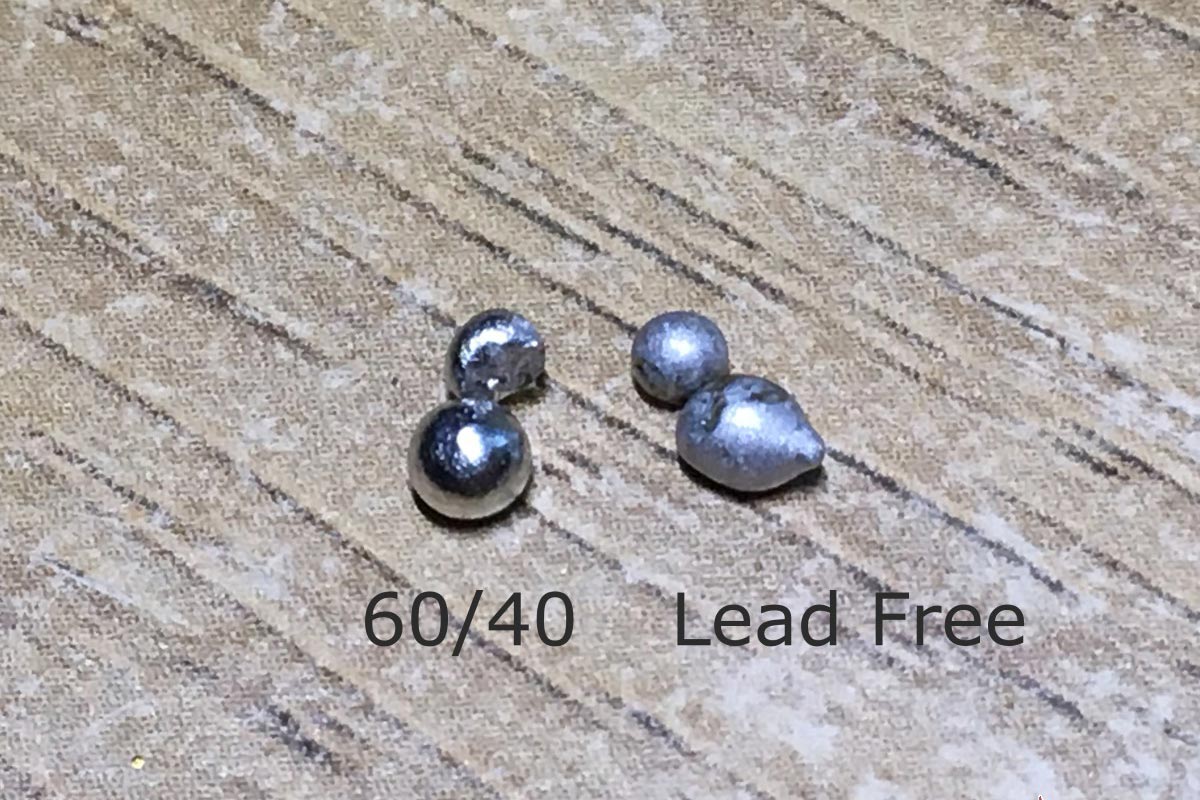
  • Precision Mixing: The metals are blended to exact ratios (e.g., 60/40 or 63/37) to ensure specific melting points and electrical properties.
  • Refining: Impurities are removed to prevent “dross” or weak joints in the final product. 

2. Casting the Billets

Once the alloy is homogenized, it is poured into cylindrical molds to create billets—large, solid rods usually 100–200 mm in diameter. These billets serve as the raw material for the extrusion phase. 

3. Core Extrusion (The Critical Step)

The billets are placed into a high-pressure hydraulic extrusion press

  • Flux Injection: For flux-core solder, the machine has a specialized die that allows flux (rosin or acid-based) to be injected into the center of the wire as the metal is forced through.
  • Initial Sizing: The press forces the alloy through a die to produce a relatively thick wire (roughly 5–10 mm) that already contains its internal flux core. 

4. Wire Drawing (Sizing)

To reach standard diameters (like 0.8 mm or 1.2 mm), the thick extruded wire undergoes cold drawing

  • Multiple Passes: The wire is pulled through a series of increasingly smaller diamond or tungsten carbide dies.
  • Lubrication and Cooling: Constant cooling is required to prevent the soft alloy from snapping or melting due to the friction of the high-speed drawing process. 

5. Winding and Quality Control

The finished wire is wound onto plastic or wooden spools using automated winding machines that ensure even tension and layer distribution. 
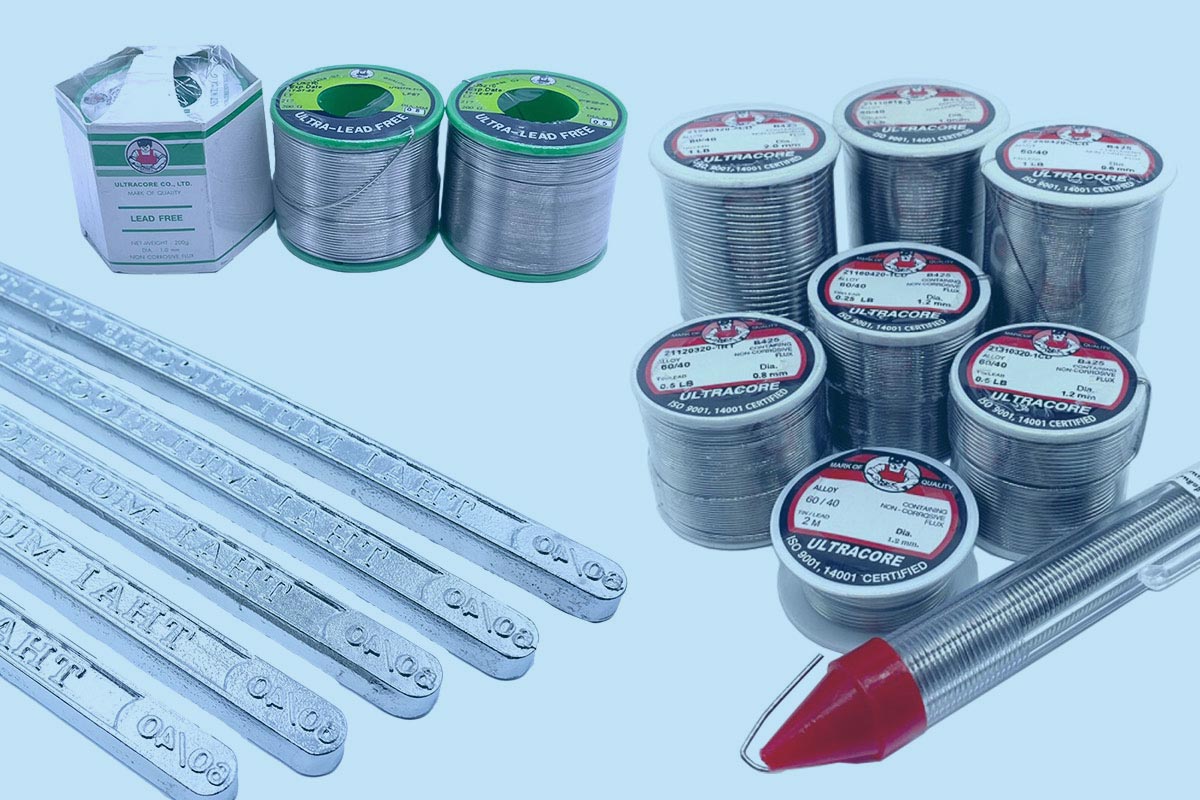
  • Inspection: Manufacturers test for “voids” (gaps in the flux core), accurate diameter, and the alloy’s melting characteristics.
  • Packaging: Spools are labeled with the alloy type, flux percentage, and gauge before being vacuum-sealed to prevent oxidation.

Comments are closed